
Founders keep asking the wrong first question.
They ask whether the logo is sharp enough, the palette is premium enough, or the launch video feels big enough. Meanwhile the market is asking something simpler: what does this company say about me if I back it?
That is the real brand. Not the file in the design folder. The sentence customers use when you are not in the room.
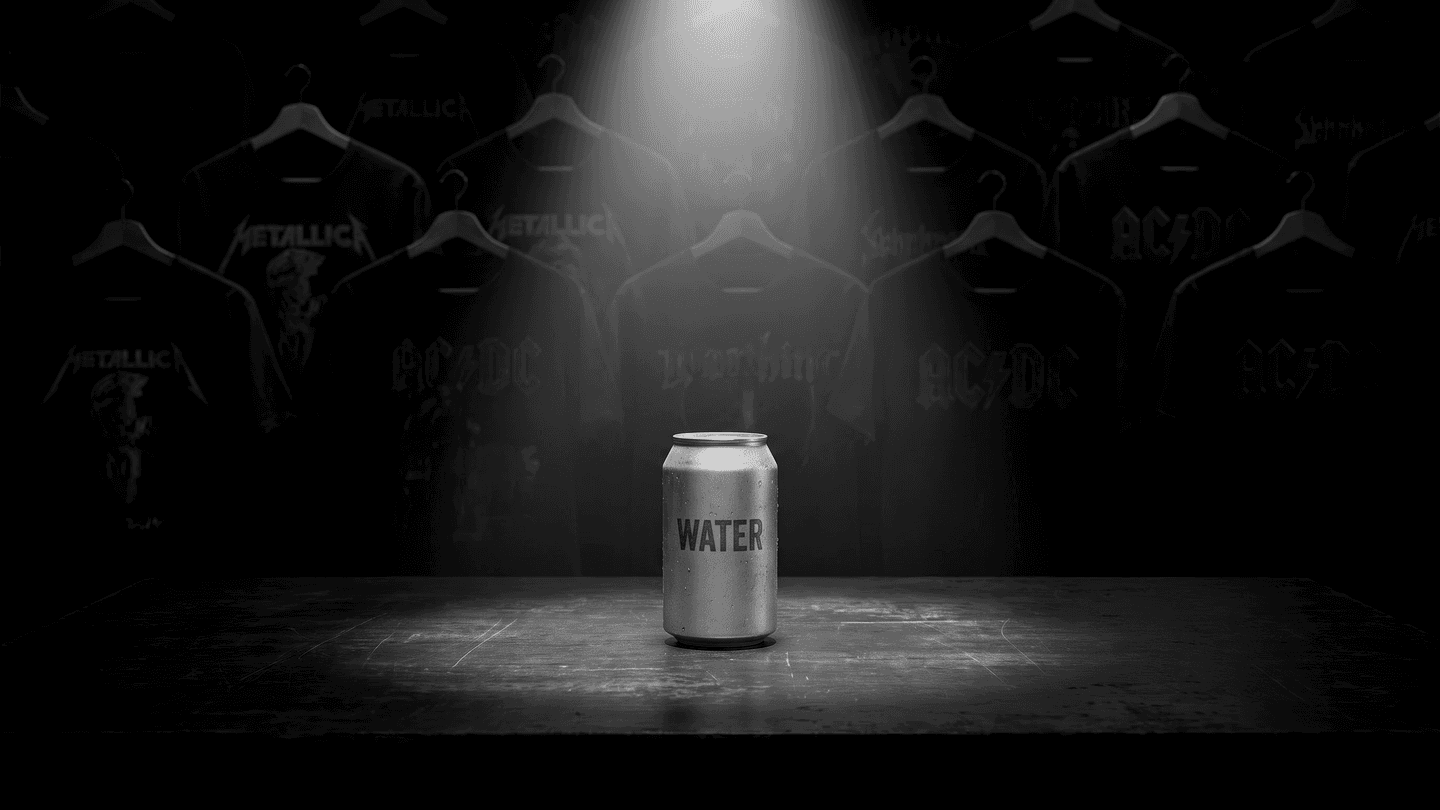
Chris and Stephanie spent this episode on the uncomfortable word founders half-joke about: cult. Strip the drama and the definition is useful. Cult marketing builds a fiercely dedicated base by selling belonging and identity, not a feature checklist. Liquid Death is still water. The product is ordinary. The story is not. The myth, the tall-boy attitude, and the sharp product promise turned a commodity into something people want to be seen carrying.
Stephanie put the foundation cleanly. You probably cannot have a cult without a brand, and a brand is not colors. It is reputation with a pulse. Commitment, shared beliefs, and a movement people can join. Most founders start companies because they believe they can change something. Cult-style marketing is what happens when you market that belief instead of only marketing the feature set.
There is a trap in the old pre-launch playbook. Build massive buzz, free signups, and story heat, then ship a product that cannot hold the promise. The audience does not become a cult. It becomes a review bomb with memory.
So what should early founders do if they do not have Red Bull money?
Do not try to buy a lifestyle empire on seed cash. Put a flag in the ground. Choose a community large enough to matter and specific enough to recognize itself. Make a values-based statement sharp enough that the right people feel invited and the wrong people feel the door close. That kind of clarity is cheaper than mass awareness and stronger than generic friendliness.
Finding those people is not mystical. Go where they already listen and hang out. Know who they trust. The fastest start is often borrowing an aligned audience with real buy-in, not renting strangers at full price. Cars make the identity mechanic obvious. People do not just buy transport. They buy a story about outdoor life, taste, status, or refusal. Founders who ignore that keep shipping product facts while buyers shop for self-image.
Then come the evangelists. The tactical question is not "Who likes us?" It is "What does supporting us say about them?" Environmentalist. Expert. Operator. Safe-certified nerd. Scaled Agile is a useful non-lifestyle example: a company that found an existing community of people passionate about changing how software gets built, formalized a path, and let identity show up on LinkedIn titles. Peer recognition can matter more than public fame. Your market only needs the right peers to get the joke.
The last warning matters as much as the romance. Great story with no product is vapor. Founders who raise a little money and burn most of it on pre-launch theater learn this the expensive way. The better pattern is iterative: tell the story as you build, test messaging with real customers, and keep enough product truth under the claims that evangelists are not lying for you.
Speed-round bluntness from the episode still holds. Brand first for lasting loyalty. Repel the wrong customers hard. Do not cosplay devotion with a full-time branded t-shirt routine. Study the templates of Liquid Death and Red Bull if you want the concept. Copy the whole costume and you might as well shut it down.
Know who you serve. Serve them with a real promise. Let identity do the amplifying.
Watch the Full Episode on building brand before the cult below:
Follow us to watch live on YouTube and LinkedIn or listen to episodes on Apple Podcasts and Spotify.