
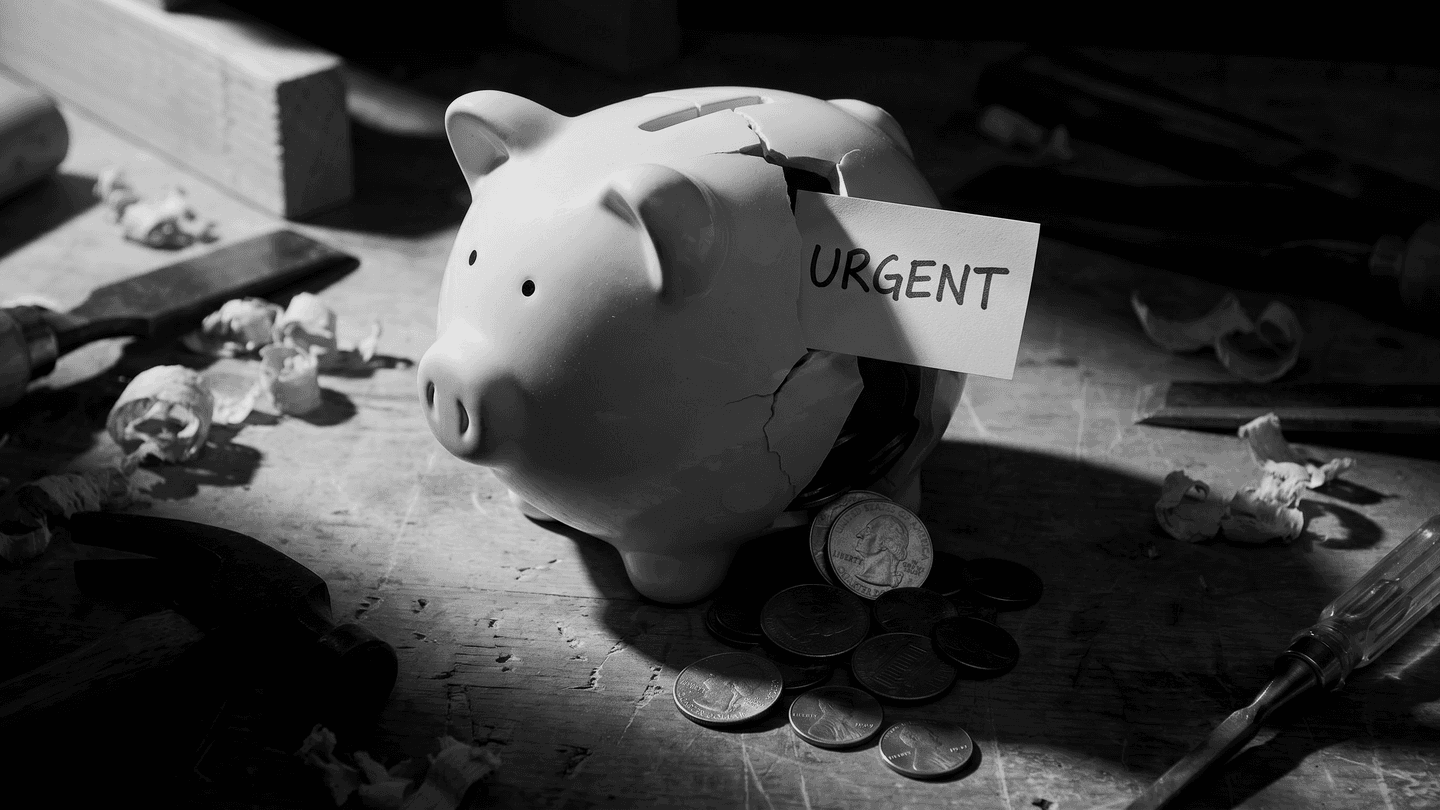
What if the idea you love most is quietly draining the business you are trying to build?
That is the uncomfortable part of idea triage. Bad ideas are not usually the problem. Bad ideas embarrass themselves early. They fail the first customer call, collapse under basic math, or never make it out of the notes app.
The dangerous ideas are the ones that keep sounding plausible.
Chris Franks, Anthony Franco, and Stephanie Hays unpacked that founder problem in this hosts-only episode of How To Founder. The planned topic was “when to kill your darlings,” but the conversation quickly moved past the slogan. The real issue is not whether founders should be creative. They should. The issue is whether every creative spark gets to spend company money.
A founder can convince themselves an idea deserves more time because it still feels alive. One more feature. One more conversation. One more month. That language sounds disciplined from the outside, but sometimes it is just grief avoidance with a product roadmap.
The better move is to treat every new business as a hypothesis.
Write the belief down. Not as a pitch. As a test. “We believe this customer will pay for this outcome through this channel at this margin.” Then break that sentence into the few assumptions that must be true. Who has the pain? Who controls the budget? What are they already using? What has to happen before the idea becomes profitable?
That simple move changes the founder’s job. You are no longer defending the idea. You are testing the conditions that would make it real.
The episode also pushes on a common founder reflex: build first, learn later. Building feels productive because something visible exists at the end of the week. But a prototype can become a monument before the market has been heard from.
Customer conversations help, but the hosts make a sharper point. Customers are not the only people worth asking. Partners, channel operators, and people already living inside the industry often know the traps faster than users do. A customer may say, “I would use that.” A partner may say, “The buyer is not the user,” or “Nobody buys this in that season,” or “Three companies already tried that and died in onboarding.”
That kind of feedback does not just validate desire. It maps terrain.
The hardest part is focus. Founders are told focus wins, and often it does. A scattered company becomes a junk drawer with payroll. Every idea gets a meeting, every meeting creates a possible future, and soon nobody knows which business is actually being built.
But focus can also become denial when the company is focused on the wrong thing. Persistence says the evidence still points forward even though the work is hard. Avoidance says, “I do not know what else to do, so I will keep funding this path.” One builds discipline. The other quietly burns the runway.
That is why ideas need sandboxes. A sandbox gives an idea a boundary, a budget, a clock, and a standard of proof. It lets the founder test without letting the test become the company. Creativity still gets room. Untested enthusiasm does not get a blank check.
Idea triage is not cynicism. It is respect for the business that has to carry the experiment.
Watch the Full Episode on Idea Triage below:
Follow us to watch live on YouTube and LinkedIn or listen to episodes on Apple Podcasts and Spotify.