
Your company's impact initiative has better odds of becoming a press release than a legacy.
In this episode, we sit down with Jim Tracy, who spent thirty years building companies across manufacturing, telecom, agriculture, and real estate on four continents. Jim has a simple test for whether your company's impact is real: if it's in your sales deck, it's a marketing tactic, not a mission. If it lives in the process, it lasts.
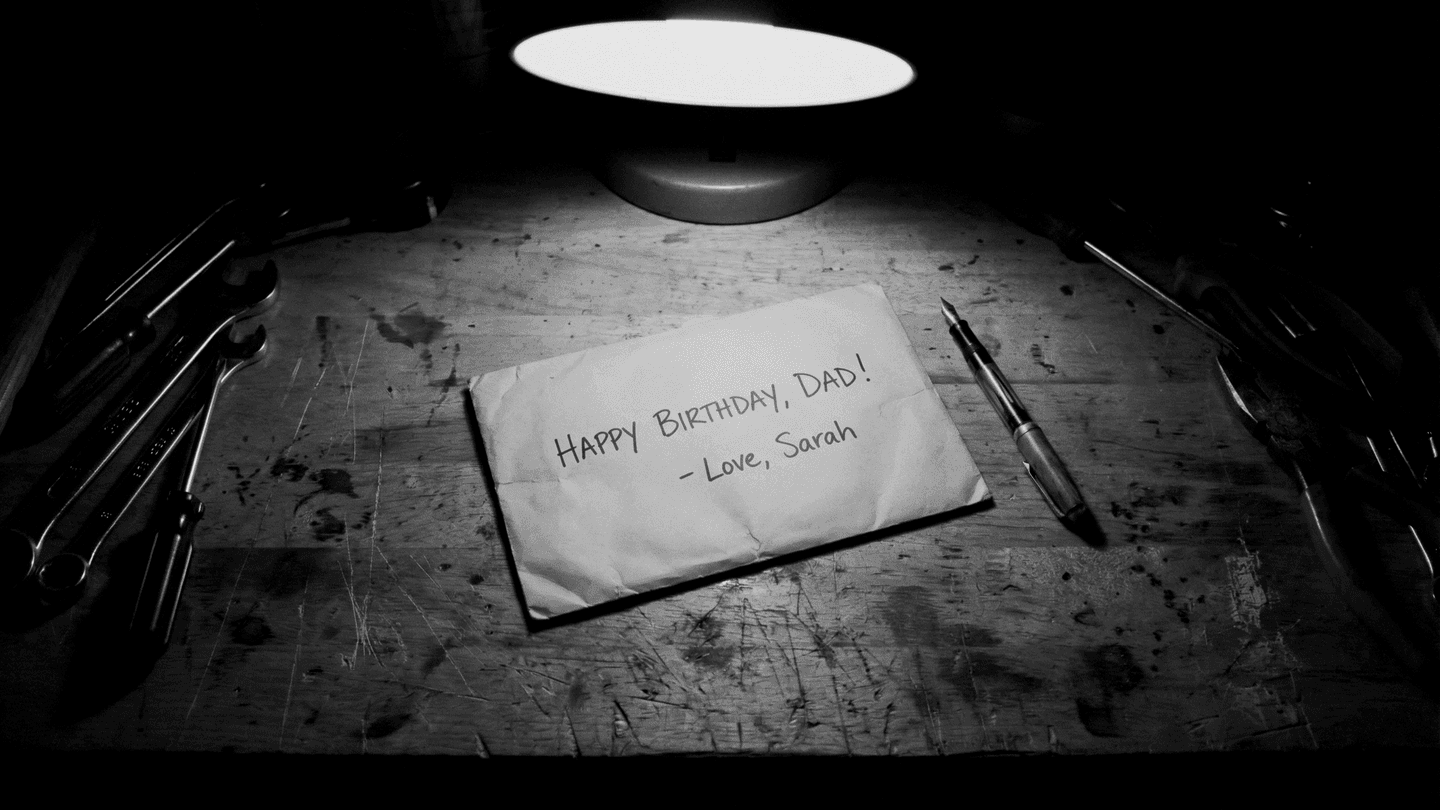
We dig into why most impact programs die when the champion leaves, how a handwritten birthday card can outlast any CSR initiative, and the only thing that actually scales in your organization. Plus, what founders get wrong about values enforcement and why your cause alignment might be answering the wrong question.
If you want to build something that matters beyond the quarterly report, this episode is the reality check you need.
Most founders want to build companies that matter. The problem isn't intention. It's architecture.
Jim Tracy discovered it across thirty years running businesses on four continents. In telecom, his crews climbed towers at 400 feet. In manufacturing, success measured in units per shift. In every context, the same truth held: programs die and infrastructure survives.
Ted Castle proved it at Rhino Foods. He embedded emergency loans directly into the factory floor, not as a benefit or a campaign, but as a process woven into operations. When leadership changed and budgets tightened, the loans survived because they weren't attached to the company. They were part of it.
Most corporate impact initiatives are attached. They have a champion, a budget, and a reporting cycle. When any one disappears, the initiative goes with it. The test for embedded impact is simple: would it survive the exit of the person who started it?
The authenticity question is harder. The companies you know for their genuine impact built their missions in from day one as operating constraints, not branding decisions. Patagonia didn't start a foundation to improve its press. The mission shaped what they would and wouldn't do before there was a brand to protect.
Founders who add impact late face a different problem. Employees who've been around since year one watch whether year five's mission announcement gets funded or just gets a press release. Late-stage impact efforts fail not because founders are cynical but because culture is cumulative. What you embedded first is what the company actually believes.
Jim Tracy's most impactful act as a CEO wasn't the Tower Family Foundation or the safety culture he built. It was handwritten birthday cards, mailed to employees' homes, once a month. Construction workers who'd never received a card from anyone put their arms around him years later. "I've never gotten a birthday card before," one said.
No program produces that. It requires a person making a deliberate decision to treat the people who earn the company's revenue as people worth knowing. That decision requires a stack of envelopes and thirty minutes, not a department.
Watch the Full Episode on Building Company Impact with expert Jim Tracy below:
Follow us to watch live on YouTube and LinkedIn or listen to episodes on Apple Podcasts and Spotify.